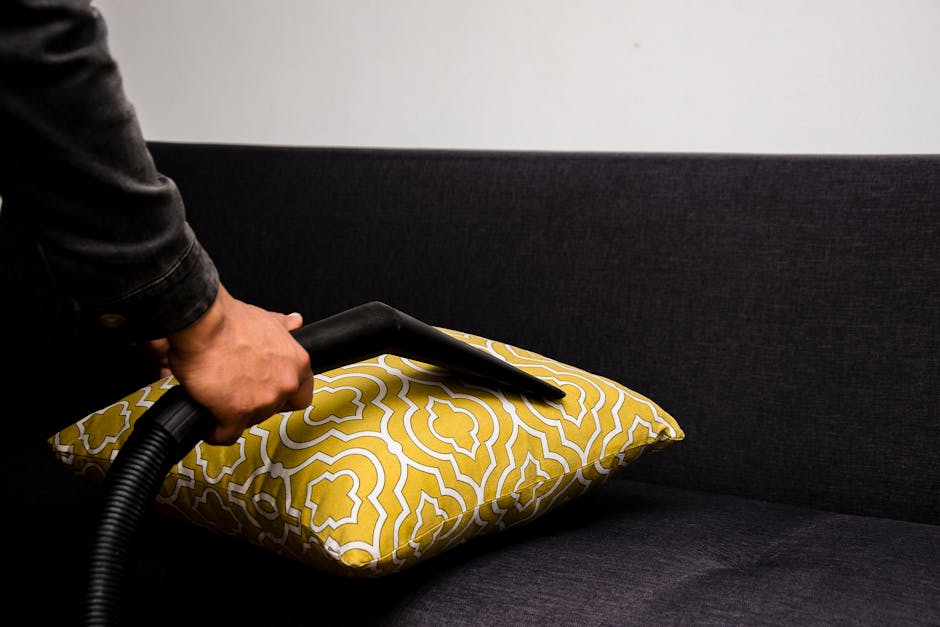
Upholstery cleaning on Pitshanger Lane Ealing real cost and times
If you are trying to work out the real cost and times for upholstery cleaning on Pitshanger Lane in Ealing, you are probably doing what most people do: comparing a few quotes, wondering what is actually included, and trying to avoid the classic surprise add-on at the end. Fair enough. Sofas, armchairs, dining chairs and footstools all age differently, and the price is rarely just "one price fits all".
This guide breaks it down in plain English. You will see what affects upholstery cleaning costs, how long a typical visit takes, where the extra time usually goes, and how to judge whether a quote is good value or a bit wishy-washy. We will also cover sensible expectations for local homes near Pitshanger Lane, whether you are booking a full sofa refresh, a one-off clean before guests arrive, or a deeper tidy as part of a broader deep clean. No fluff, just the practical stuff you need.
Quick takeaway: the real cost depends mostly on fabric type, furniture size, soil level, stain treatment, and access. The real time depends on the same things, plus drying conditions. Simple job? Often quicker than you think. Tricky fabric? A lot more careful, and rightly so.
Table of Contents
- Why Upholstery cleaning on Pitshanger Lane Ealing real cost and times matters
- How upholstery cleaning works
- Key benefits and practical advantages
- Who this is for and when it makes sense
- Step-by-step guidance
- Expert tips for better results
- Common mistakes to avoid
- Tools, resources and recommendations
- Law, compliance, standards, or best practice
- Options, methods, or comparison table
- Case study or real-world example
- Practical checklist
- Conclusion
- Frequently Asked Questions
Why Upholstery cleaning on Pitshanger Lane Ealing real cost and times Matters
Upholstery cleaning is one of those services that looks straightforward until you actually need it. A sofa can look "just a bit grubby" and turn out to need careful pre-treatment, multiple passes, and a drying window that changes your whole evening plans. On a busy street like Pitshanger Lane, with family life, pets, visitors, and the usual London pace, people often want two things at once: predictability and good results. That is exactly why understanding cost and timing matters.
For most customers, the real question is not "Can it be cleaned?" It is "How much should I expect to pay, how long will it take, and will it actually look worth it afterwards?" That is fair. The best upholstery cleaning quotes are the ones that make those answers clear up front. If you have ever had a cleaner arrive and then start renegotiating halfway through, you will know how irritating that feels. Nobody wants that sort of awkwardness in the hallway at 9:00 on a Tuesday.
Cost matters because upholstery cleaning is usually priced by item, fabric complexity, or both. Time matters because the cleaning method, stain level, and fabric sensitivity can change the job from a quick freshen-up into a more careful restoration-style clean. A well-done clean can improve appearance, reduce odours, and help extend the life of the furniture. In many homes, it is a cheaper and smarter option than replacing a perfectly usable sofa just because it looks tired.
There is also a practical side. If you are coordinating a move, a family gathering, or the end of a tenancy, the timing can be the difference between a smooth day and a messy one. It helps to understand what is normal, what is extra, and what should raise a little red flag.
How Upholstery cleaning on Pitshanger Lane Ealing real cost and times Works
Most professional upholstery cleaning follows a fairly familiar process, though the exact method depends on fabric and furniture type. The cleaner will usually start with an inspection: checking the material, looking for labels or care instructions, and spotting visible stains, wear, or dye transfer risk. That first look matters more than people realise. Not every fabric is safe for the same method.
Next comes dry soil removal. This may include vacuuming and brushing to lift dust, crumbs, pet hair, and the bits that fall between cushions and somehow migrate to another dimension. Then the cleaner tests the fabric in a discreet area to see how it reacts to moisture and solution. If the fabric is delicate, the approach becomes much more cautious.
After that, the chosen treatment begins. For many household items this may involve hot water extraction, low-moisture cleaning, or targeted stain work. Pre-sprays are common for grease, body oils, and general soiling, while stubborn marks may need extra attention. The cleaner may agitate the fibres lightly to release dirt, then extract the residue. You will often notice the most dramatic difference once the fabric dries and the nap settles back into place.
Drying time is the final part people forget about. The cleaning itself may be relatively quick, but the furniture still needs to dry properly before full use. That can mean a few hours for some fabrics, longer for others. On a damp day, or in a home with limited airflow, it can take more time. Slightly annoying, yes. But trying to speed it up too aggressively is where trouble starts.
For a single sofa, a standard visit might be a short appointment. For several chairs, larger corner sofas, or a heavily used settee with old marks, the job can stretch naturally. If the house is being cleaned as part of a broader visit, many people pair upholstery work with sofa cleaning or even rug cleaning for a more complete refresh.
Key Benefits and Practical Advantages
The obvious benefit is visual: cleaner fabric, better colour, less dullness. But there is more to it than making the sofa look nice for visitors. Upholstery can hold dust, body oils, pet hair, crumbs, and everyday grime in a way that vacuuming alone never fully solves. A proper clean helps reduce that build-up and can make the room feel fresher as a whole. You notice it when you sit down. The room just feels less stale.
Another practical advantage is furniture longevity. Dirt behaves a bit like sandpaper over time. It settles into fibres, and with regular use it can wear the fabric down faster than you would expect. Cleaning does not make a sofa new again, let's be realistic, but it can help it age more gracefully. That matters if you have a good-quality suite and want to keep it in service for a few more years.
There is also the matter of odour control. Pets, food spills, and the general life of a household all leave their trace. Sometimes the smell is not obvious until a warm day or the heating goes on. A carefully done upholstery clean can help with that. And if you are dealing with a home that needs a reset after a busy season, the results can be surprisingly satisfying.
For landlords, tenants, and owners preparing a property for changeover, upholstery cleaning can support a more presentable handover. It is not always mandatory, but it often improves first impressions. If the broader job includes other rooms, services like end of tenancy cleaning or one-off cleaning can be a sensible companion.
Expert summary: the best upholstery clean is not the one that looks the most dramatic in the first ten minutes. It is the one that suits the fabric, removes the real dirt, dries properly, and leaves the furniture usable without hassle.
Who This Is For and When It Makes Sense
Upholstery cleaning makes sense for a wider group of people than many assume. It is not just for "fancy" homes or obvious stains. In fact, some of the most common bookings are from practical households that simply want things back under control.
It is a good idea if you:
- have a sofa or armchair that looks dull even after vacuuming
- live with pets and want to reduce fur, odour, or dander build-up
- have children and the usual mix of snack crumbs, drink marks, and mystery patches
- are preparing for guests, photos, or a property viewing
- need a cleaner finish before moving out or turning over a rental
- want to extend the life of decent furniture instead of replacing it too early
- have allergy concerns and want to reduce the dust load in soft furnishings
It can also be useful after renovation or a period of heavy use. If the home has had a lot of footfall, or if a room has doubled up as a work-from-home zone for months, the furniture can start to look oddly flat and lifeless. Not ruined. Just tired. A professional clean often gives it back a bit of body and colour.
That said, some items are not ideal candidates for every method. Delicate fibres, water-sensitive fabrics, loose seams, and old repairs may require a more careful approach. A decent cleaner will tell you that clearly rather than forcing a one-size-fits-all treatment. That transparency matters a lot. To be fair, it is one of the easiest ways to tell you are dealing with someone who knows what they are doing.
Step-by-Step Guidance
If you want a realistic view of what happens on the day, here is the process in simple terms. Not glamorous, but useful.
- Request a clear quote. Share the item count, fabric type if known, access notes, and any visible stains. A good quote should explain what is included.
- Confirm the expected time window. Ask how long the cleaning itself should take and how long drying is likely to be under normal conditions.
- Prepare the room. Move small items, clear cushions where possible, and make a bit of space around the furniture. It saves everyone time.
- Let the cleaner inspect the fabric. This is where the method gets chosen. If there is any doubt about fabric sensitivity, testing should come first.
- Pre-treat the problem areas. Stains, armrests, headrests, and seat fronts usually need more attention than the rest.
- Clean and extract. The main cleaning pass removes loosened grime and solution residue.
- Check the results together. A short walk-through helps you spot areas that may need a second look.
- Allow proper drying. Ventilation helps. Keep pets and heavy use off the furniture until it is ready.
If you are comparing services, it is wise to look beyond the headline number. A slightly higher quote may be better value if it includes stain treatment, deodorising, or a careful fabric-safe method. Likewise, an ultra-low quote can become expensive once "extras" start appearing. Funny how that happens.
Expert Tips for Better Results
There are a few habits that make a proper difference, and most of them are simple. First, vacuum before the cleaner arrives if you can. Loose debris can interfere with the cleaning process and slow things down. Second, mention stains honestly. People sometimes worry they will be judged for a coffee spill or two. Honestly, nobody is surprised. It helps to know the truth so the cleaner can choose the right treatment.
Third, do not over-wet the fabric between professional visits. A damp cloth and a lot of enthusiasm can sometimes make a stain wider rather than cleaner. The classic "I just rubbed it a bit" story. We have all heard it. Fourth, keep an eye on ventilation after the clean. Open windows where practical, and avoid piling blankets or cushions back on too soon.
If you have a busy household near Pitshanger Lane, try to book on a day when the furniture can sit undisturbed for a few hours. That sounds obvious, but it saves a lot of stress. A clean sofa and a wet sofa are two very different moods.
One more thing: ask what happens if the cleaner finds a fabric risk or an issue with colour fastness. A good company should explain the limit of the method rather than pretending every mark can be erased. That kind of honesty is worth paying for.
If you are looking for a provider that works with a wider range of domestic jobs, it can also help to understand how domestic cleaning and house cleaning services are structured, especially if upholstery cleaning is part of a bigger tidy-up.
Common Mistakes to Avoid
People often make the same few mistakes when booking upholstery cleaning. The first is assuming every sofa takes the same time. It does not. A compact two-seater in decent condition is a very different job from a large L-shaped suite with pet wear and layered stains.
The second mistake is choosing the cheapest quote without checking what is included. If stain treatment, spot work, or drying advice are excluded, the final cost can drift upward quickly. That is where the "real cost" part of the topic really bites.
The third mistake is cleaning a delicate item without confirming the fabric type. Some materials respond badly to too much water or aggressive brushing. The fourth is using too much detergent at home before the professional visit. More soap is not more clean. It can leave residue and actually make future cleaning harder.
Also, do not ignore access. If the cleaner has to park far away, carry equipment up several flights, or work around awkward furniture arrangements, timing may change. On Pitshanger Lane, where homes can vary quite a bit in layout and access, that practical detail matters more than people expect.
And finally, do not forget drying. A sofa that looks better at 2 p.m. but is still damp at tea time is not the same as a sofa that is fully ready to use. It sounds obvious, but it is one of the most common points of confusion.
Tools, Resources and Recommendations
A professional upholstery cleaner will usually bring the right kit for the fabric and the job. That may include inspection tools, vacuuming equipment, pre-spray products, agitation brushes, extraction gear, and controlled drying support. You do not need to know the brand names. What matters is whether the cleaner uses the right approach for the item in front of them.
For homeowners, a sensible small toolkit is enough: a vacuum with an upholstery attachment, a clean white cloth for blotting, and a bit of common sense. If the fabric label says the item is delicate, resist the urge to become a part-time stain chemist. That road gets messy in a hurry.
When comparing providers, the most useful resource is often the quote page and the company's policy pages. Clear pricing guidance, payment information, insurance details, and complaint handling say quite a lot about how the business operates. If you are checking a local cleaner, it is reasonable to review pricing and quotes, insurance and safety, and the terms and conditions before you book.
That is not being fussy. It is being careful. In the real world, clear policies are often what separate a tidy, professional service from a frustrating one.
Law, Compliance, Standards, or Best Practice
Upholstery cleaning is not a heavily regulated trade in the way some technical services are, but there are still important best-practice expectations. In the UK, customers should expect reasonable care with equipment, safe handling of chemicals, truthful pricing, and clear communication about limitations. If a fabric may be damaged by a certain method, that should be explained before work starts, not after the fact.
For domestic customers, the practical standards that matter most are straightforward: trained handling, sensible moisture control, good ventilation advice, and protection of floors and surrounding furniture. If pets, children, or allergy concerns are in the picture, cleaners should also work cleanly and keep product use proportionate. No strong chemical theatrics, thank you very much.
Insurance is another sensible expectation. A reputable cleaner should be able to explain how they handle accidental damage, access issues, and general site safety. You may also want to check a company's health and safety policy and about us information for more context on how they work.
For customers, the best practice is simple too: disclose stains, ask about fabric compatibility, clarify drying times, and keep a record of the agreed scope. If there is a problem, a clear complaints procedure is part of a professional service too. It does not need to be dramatic. Just fair.
Options, Methods, or Comparison Table
Different upholstery jobs call for different methods. The right one depends on the fabric, soil level, and time available. A quick comparison can help.
| Method | Best for | Typical time on site | Drying time | Notes |
|---|---|---|---|---|
| Vacuum-only refresh | Light dust and surface crumbs | Very short | None | Useful for upkeep, not deep cleaning |
| Low-moisture clean | Sensitive fabrics, quicker turnaround | Moderate | Usually faster | Good when drying time is limited |
| Hot water extraction | General household soiling, deeper clean | Moderate to longer | Longer | Often the most thorough option for robust fabrics |
| Spot treatment only | Single stains or local marks | Short | Varies | Best as part of a broader service, not always enough alone |
In practical terms, many homes on or near Pitshanger Lane will fall somewhere in the middle: a standard clean for one or two items, plus a bit of stain work. If the furniture is part of a larger home refresh, a cleaner may also suggest related services such as carpet cleaning or general cleaning support to make the whole room feel properly sorted.
Case Study or Real-World Example
Picture a fairly typical Saturday morning job near Pitshanger Lane. The client has a three-seater sofa, two dining chairs with visible food marks, and a footstool that has picked up years of everyday use. Nothing dramatic. Just the kind of wear that creeps in slowly until one day the fabric looks a bit flat and greyish.
The cleaner arrives, inspects the fabric, and checks which areas are most heavily soiled. The sofa needs pre-treatment on the arms and headrests, the chairs need careful spot work, and the footstool only needs a lighter clean. The whole visit takes longer than a basic surface refresh, but not wildly so. The biggest time factor is really the pre-treatment and extraction on the sofa arms. That is where the built-up oils hide.
By the end, the fabric looks brighter, the odour from day-to-day living has lifted, and the room feels fresher. The customer is happy not because everything looks brand new, but because it looks cared for. That is usually the real win. Not perfection. Just a much better version of what was already there.
There is also a little timing lesson in jobs like this: if the household needs the furniture back quickly, the cleaner may recommend a lower-moisture method. If there is more time and the fabric can handle it, a deeper clean may be the better choice. Real cost and real time are linked. Always have been.
Practical Checklist
Use this before you book. It keeps things calmer.
- Identify the items to be cleaned: sofa, armchair, stools, dining chairs, or cushions.
- Note the fabric type if you know it, especially if there is a care label.
- List visible stains, odours, pet issues, or wear spots.
- Measure access issues: stairs, parking, entry points, tight rooms.
- Ask what is included in the quote and what counts as an extra.
- Confirm estimated on-site time and expected drying time.
- Check whether the cleaner is comfortable with your fabric type.
- Ask about protection for surrounding floors and furnishings.
- Review payment terms before the appointment.
- Make sure you can leave the furniture undisturbed long enough to dry.
If you are trying to coordinate several jobs at once, it may also help to look at related services such as one-off cleaning or home cleaners so the day feels less fragmented and more manageable.
Conclusion
Upholstery cleaning on Pitshanger Lane in Ealing is one of those services where the real value shows up in the details: honest pricing, realistic timing, careful fabric handling, and proper drying. If you understand those four things, you can compare quotes with far more confidence and avoid the usual confusion around add-ons and delays.
The best approach is simple. Be clear about the furniture, ask how long it will take, check what the price includes, and choose a cleaner who explains the method rather than waving away your questions. That little bit of care up front usually leads to a better result on the day. And a cleaner sofa, let's face it, just makes the whole room feel more like home.
Get a free quote today and see how much you can save.
Frequently Asked Questions
How much does upholstery cleaning on Pitshanger Lane usually cost?
The cost usually depends on the item size, fabric type, soil level, and whether stain treatment is needed. A single small item will cost less than a large corner sofa or a set of dining chairs. The most reliable way to judge value is to compare what is included, not just the headline price.
How long does upholstery cleaning take?
Most jobs take anywhere from a short visit for a small item to longer for large or heavily soiled furniture. The cleaning time is only part of the picture. Drying time matters too, and that can vary depending on fabric, airflow, and weather.
What affects the price the most?
The biggest factors are furniture size, fabric sensitivity, stain severity, access, and the cleaning method used. Items that need careful testing or multiple stain treatments usually take more time and therefore cost more.
Can all upholstery fabrics be cleaned the same way?
No, and that is where people get caught out. Some fabrics can handle moisture well, while others need a much gentler method. A proper cleaner should inspect the fabric first and choose the approach accordingly.
Will upholstery cleaning remove every stain?
Not always. Many stains improve significantly, but some have already set into the fibres or changed the dye. A trustworthy cleaner will explain likely outcomes before starting, rather than promising miracles. Tempting as that would be.
How long before I can sit on the sofa again?
That depends on the method used and the room conditions. Some furniture dries fairly quickly, while thicker fabrics can take longer. Good airflow helps, and the cleaner should give you sensible aftercare guidance.
Is upholstery cleaning worth it for older furniture?
Often, yes. If the frame and fabric are still in good condition, cleaning can make older furniture look far better for a fraction of replacement cost. If the fabric is badly worn or damaged, though, a clean may only do so much.
Should I choose upholstery cleaning or replace the furniture?
If the item is structurally sound and the problem is mainly dirt, odour, or dullness, cleaning is usually the better first step. Replacement makes more sense when the fabric is torn, the padding is failing, or the item is no longer comfortable.
Do I need to prepare anything before the cleaner arrives?
Yes, a little preparation helps. Clear small items, make space around the furniture, and share any stain or access information in advance. That usually makes the visit smoother and quicker.
Can upholstery cleaning be combined with other services?
Yes, and many people do exactly that. It is common to combine it with carpet work or broader cleaning support when the room needs a more complete reset. That can sometimes save time and simplify the day.
How do I know if a quote is fair?
A fair quote should explain the item type, method, included treatments, expected time, and any possible extras. If the price is vague or changes without a clear reason, that is worth questioning.
What should I ask before booking?
Ask what the price includes, how long the job will take, what drying time to expect, whether the fabric is suitable for the proposed method, and how the company handles issues or complaints. A few clear questions at the start can save a lot of awkwardness later.